
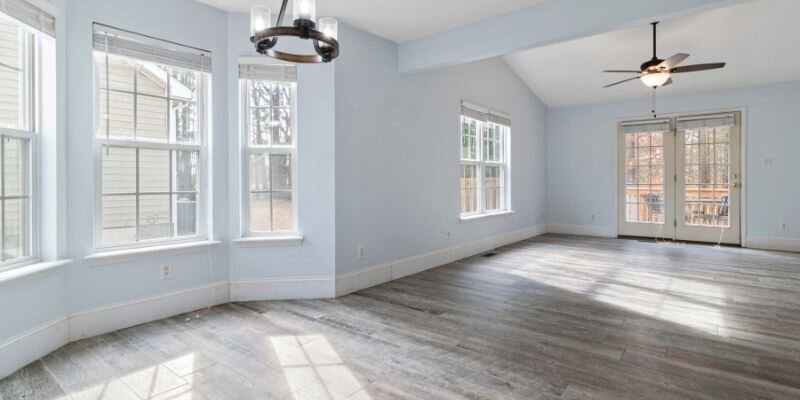
Sell a Vacant House Fast in Kentucky Without the Hassle
"*" indicates required fields
A vacant house in Kentucky bleeds money three ways at once: taxes, insurance premiums, and slow damage nobody’s around to catch. I’ve walked into kitchens in Shively where a cracked supply line had run for months, and the subfloor was already gone. The owner lived four hours away and had no clue. Vacancy works quietly like that, and it won’t wait for your schedule to clear up.
Sell Your House Fast for Cash in Kentucky, Any Reason, Any Condition
For years I told sellers that condition mattered more than timing, and I had it backwards. Timing is usually what’s squeezing people. The roof can wait. A probate attorney’s bill can’t, and neither can a second mortgage payment on a vacant house or a new job in Nashville that starts on the first.
Sellers reach out to me for a dozen different reasons. Divorce. An inheritance five states away. A rental property where the last tenants punched holes in the drywall and the owner’s done being a landlord. Sometimes it’s a foreclosure notice from a lender who stopped returning calls, or fire damage, or forty years of belongings packed into a basement.
None of that stops a property from selling. It only changes who the buyer is going to be.
A cash buyer isn’t competing with your dream price. We’re competing with what the open market would net you after repairs, carrying months, and the costs taken off the top at closing. Kentucky’s statewide median sale price landed at $283,818 in August 2026, up a little over 3 percent year over year, according to Redfin’s Kentucky market data. That same month, the typical home took 50 days to go under contract. Tack on financing and closing time, and you’re looking at roughly three months from listing to money in the bank. That assumes nothing falls apart, and in my years buying houses, something usually does.
Can your situation absorb three months? For plenty of homeowners it can, and listing is the right call. I’ll say so plainly when I believe it.
Things change when the house sits vacant, the repair list outlasts your patience, or four relatives have to sign off on every choice. Then the calendar starts working against you. An as-is cash sale in Kentucky trades a slice of the top-line price for certainty and speed. It isn’t a trick. It’s a trade, and you should only make it if it helps you.
We Buy Houses in Kentucky, No Real Estate Agent Needed

The agent question comes up in nearly every first phone call I take. Nobody’s anti-Realtor here. Good real estate agents earn their fees, especially in markets with real buyer competition. Lexington is one of them. Homes there sold for a median of $365,000 in August 2026 and went under contract in about 34 days, per Redfin. With a clean, updated house in a market like that, a listing agent will almost always beat a cash offer on raw price.
A vacant fixer in a slower county is a different animal.
Showings get booked and nobody shows. Buyers using bank financing need an appraisal, and FHA appraisers often flag peeling paint and missing handrails. Then their lender wants repairs before closing on a vacant house you can’t easily supervise. I’ve watched sellers burn eleven weeks that way and then take less than my original offer.
Selling direct skips the listing commissions, the staging, the lockbox, and the repair addendum. You get one buyer, one inspection (if we even need one), and a closing date you help pick. When sellers ask me for a straight recommendation, I tell them to pick a local operator who answers the phone and shows up in person. That’s how we work at Real ESTATE Nate. Buy-Sell-Rent-Coaching. We buy, sell, and rent property across Kentucky, and the coaching side means we’ll walk you through the listing math too, not just the cash number. If you want to see who we are first, learn more about Real ESTATE Nate. Buy-Sell-Rent-Coaching on our about page.
Ask any buyer for proof of funds and a list of recent closings in your county. I’d check both before signing anything. Real investors have them ready. Anybody who hedges is probably planning to assign your contract to someone else at a markup, and you’ll find out three weeks in when the closing date slides.
Do You Flip Homes or Buy Houses in Kentucky?
Early last year, three siblings called me about their mother’s brick ranch in Elizabethtown. One of them was mid-divorce, and the asset split had frozen every decision for eight months. None of them lived closer than Bowling Green, either. We walked it on a Thursday and found a bass boat trailer plus about two hundred Mason jars in the garage. They told me to take the whole thing as it sat.
Some houses we renovate and resell. Others we keep.
Which way a property goes usually comes down to the street, the roof, and the rent numbers. Jefferson County has pockets where a solid three-bedroom holds its value and brings in steady rent for years, so that one goes into the portfolio with a long-term tenant. A property on a street where retail buyers pay up for finished work gets the full treatment: paint, flooring, kitchen, mechanicals, then back on the market. Louisville’s median sale price held at $295,000 in May 2026, per Greater Louisville MLS figures. Homes averaged 49 days on market, about 16 percent longer than the same month in 2025. Slower sales shrink what a renovation can justify.
Why should you, the seller, care? Our exit plan decides how flexible we can be on yours.
A rental doesn’t need a fast resale. We can close on your timeline, let you leave behind whatever you want, or even rent the place back to you for a few weeks if you’re between homes. A flip has holding costs ticking from day one, and the offer reflects that. When somebody needs twelve days because a nursing home deposit is due, I look hard at whether I can hold the property instead of turning it. That’s worth talking through out loud rather than guessing.
The investors who last in this business don’t squeeze the final thousand dollars out of a stressed seller. They get referred by the last family they treated right.
How Do We Decide What to Offer on Your Kentucky House?

I’ll put the paper on the table, because there’s no mystery here. Four numbers drive every offer I make.
First is what the house is worth once it’s finished. Forget what the neighbor listed at. I look at what comparable homes on your side of the road closed for in the last six months, adjusted for square footage, garage, and lot.
Second is the repair budget, and that’s where sellers and I tend to butt heads. A roof, a panel upgrade, and an HVAC system can blow past most guesses before anyone touches a cabinet. Paint is cheap. Structure, wiring, and anything involving water are not.
Third, holding costs pile up fast on a vacant property. Taxes, insurance on an empty structure, utilities we keep on to stop freeze damage, and the cost of the money itself all count. A six-month hold on a Kentucky property carries real weight, and in the winter months it carries more.
Fourth is resale cost. When we put the finished house back on the market, we pay commissions, closing fees, and the transfer tax like anyone else.
Whatever’s left after those four, minus a margin that keeps the lights on, is the offer. I don’t use some formula from a podcast or toss out a lowball opener and wait to get negotiated up. I price it once and show my work. If the numbers don’t work for a cash buyer like me, I’d rather tell you on the first call than waste a month of your time.
Two things reliably push a number up. Clean title is the big one. If the deed is still in a deceased parent’s name and probate hasn’t been opened, or a contractor’s mechanic’s lien from 2014 is hanging around, the clock stretches and the risk climbs. Access is the other. A house I can inspect Tuesday gets a Tuesday answer, while changed locks and a lost key cost a week.
A pattern I keep seeing: sellers hide the bad stuff. The known foundation crack, the septic that failed two years ago, the tenant still living in the basement. We’ll find it during due diligence anyway, and the offer gets cut midstream. Disclose everything on day one and the first number tends to be the final number.
What Does the Home Sales Process Look Like in Kentucky?
Skip the title work up front and you might discover an unreleased mortgage from 2006 the week you’re supposed to close. Movers booked, boxes packed, and suddenly nothing moves. I’ve seen that stall closings by a month or more.
A Kentucky cash sale runs in a fairly tight sequence. We talk, I look at the property, and an offer usually comes back within a day or two. If you accept, we sign a purchase agreement and send it to the closing attorney or title company. They order the title search and check the county for unpaid taxes. Clear title, a signed deed, and wired funds finish it. The deed gets recorded with the clerk in the county where the property sits, and the transfer tax is collected then. The title company also handles payoffs, so any mortgage or lien gets paid straight out of the proceeds at closing.
Most of my cash closings take one to three weeks. Probate, missing heirs, or a surprise lien can stretch that. Any buyer who promises seven days without seeing your title history is guessing.
What you skip matters just as much. You don’t repair anything, clean out the garage, or pay for an appraisal. No lender is underwriting your buyer, so there’s no financing contingency waiting to blow up on day 28.
Expect some paperwork anyway: a seller’s affidavit, payoff forms if there’s a mortgage, and ID. If several people are on the deed, every one of them signs. Out-of-state heirs can usually sign remotely through a mobile notary, and a good closing agent will set that up without charging you extra.
One caution about money. Proceeds go out by wire, and wire fraud aimed at real estate closings is a real problem. Confirm wiring instructions by phone using a number you looked up yourself. Don’t trust an email that changes the account at the last minute.
Want somebody local to handle the legwork? Our team at Real ESTATE Nate. Buy-Sell-Rent-Coaching does this in Kentucky counties every week. In one conversation, we can usually tell you whether a direct sale or a listing fits better. Owners near the capital can start with the page on how we buy houses in Frankfort, and folks in Shelby County can read how we buy houses in Shelbyville.
Can I Sell a Vacant House Fast in Kentucky?

A vacant house ought to be the simple one. No tenants to work around, no dog to crate before a buyer walks through. Then your insurance carrier sends a letter. Most standard homeowners policies carry a vacancy clause that strips coverage for vandalism, theft, and water damage once a home sits empty long enough. That window is commonly 30 to 60 consecutive days depending on the insurer, as Insure.com explains in its breakdown of vacancy rules. You can keep paying premiums and still have no protection when the pipe bursts. If the place will sit empty past that window, call your insurance agent before the deadline passes. Many carriers offer a separate policy or endorsement for empty homes, and it usually costs more than standard coverage.
Vacancy also draws people you’d rather not meet. Copper thieves, squatters, and illegal dumping all follow empty structures, and code enforcement notices follow them.
Louisville tracks this closely. In a January 2026 VAPStat report on the prior year, Metro housing staff closed out actions on 401 abandoned properties in Jefferson County. That included 174 foreclosure suits that went to a Master Commissioner’s sale and 122 emergency demolitions, per the Landbank Authority minutes. Those houses didn’t start out as blight. Most began as somebody’s inherited vacant house that sat one season too long.
So yes, you can sell a vacant house fast in Kentucky. With a cash buyer, vacancy is often an advantage: quick access, nobody to move out, no lease to honor. The thing to avoid is the slow middle, where a vacant property is neither maintained nor sold.
Are the utilities still on at your property right now? If they’re off and it’s November, fix that first. Freeze damage costs far more than the gas bill ever would.
An heir in Fort Thomas called after his mother moved into assisted living. Her vacant house had sat empty most of a year. He’d been driving over on Sundays to mow and check the mail, and the chest freezer in the garage was still humming, full of food from a woman who wasn’t coming back. He didn’t want top dollar. He wanted to stop making that drive.
Frequently Asked Questions
What Is the Rate of the Real Estate Transfer Tax in Kentucky?
Kentucky charges fifty cents for every $500 of value stated in the deed, or any fraction of that amount, under KRS 142.050. The tax falls on the grantor, which means you as the seller. The county clerk collects it when the deed is recorded. Some transfers are exempt under the statute, so ask your closing agent or county clerk whether yours qualifies before you budget for it.
How Do You Sell a House When the Market Slows Down?
Price it against what’s closing rather than what’s listed. Stale listings on your street show you what buyers refused to pay. Make the house easy to buy with clear title, a current survey if you have one, and honest answers about the furnace, roof, and plumbing. In a slower stretch, condition and price matter far more than photos or open houses. If waiting out a soft season won’t work for you, a direct cash sale removes the showings and the financing risk.
How Much Would a Real Estate Agent Make on a $300,000 House?
Kentucky commissions averaged near 2.8 percent per side in an August 2026 industry survey. One agent’s side of a $300,000 sale works out to roughly $8,400 before their brokerage takes a split. Both sides together come to about $17,000. None of those rates are fixed. Commissions are negotiable, and since the 2024 industry rule changes, buyer-side pay is openly negotiated rather than assumed.
What Is the Current State of the Housing Market in Kentucky?
Supply has loosened up. Kentucky had 18,831 homes listed for sale in August 2026, roughly 8 percent more than a year earlier. Buyers have more room to be picky, and sellers have less leverage than they did in 2021. Prices are still edging up statewide, just slowly, and the gap between markets keeps widening. A well-kept home in a busy city moves quickly, while a dated vacant property in a quieter county sits.
Ready to Talk About Your Vacant Kentucky House?
If you’ve got a vacant house in Kentucky and you’re tired of thinking about it, contact us and let’s talk it through. Tell me where the property is, what shape it’s in, and who else has a say. I’ll give you a straight read on what it’s worth and what your options look like. If listing with an agent makes more sense, I’ll tell you so. If a cash offer fits better because you’re three hours away and done driving out there, we can talk about that number and a closing date. No pressure, no obligation, and nobody showing up at your door. Just a conversation, whenever you’re ready.
Helpful Kentucky Blog Articles
- How to Sell a Probate House in Kentucky
- How to Sell Your Kentucky House During a Divorce
- How to Sell a Hoarder House Fast in Kentucky for Cash
- Sell Your Kentucky Land Fast for Cash Without Realtor Hassles
- How to Sell Your Kentucky House Before Foreclosure Takes Over
- How to Sell an Inherited House in Kentucky Without the Hassle
- How to Sell Your House As-is in Kentucky Without Making Repairs
- Sell a Vacant House Fast in Kentucky Without the Hassle

"*" indicates required fields